Tax Compliance for Accountants and Bookkeepers
The problem:
Accountants and Bookkeepers who used Xero couldn’t easily see the tax obligations for their clients. There were many dashboards hard to maintain.
The ask:
“Validate” user tax journeys across 6 markets to ensure they aligned with the concept of a one-stop shop for tax obligations managemen.
We couldn’t validate because we weren’t comparing apples to apples, and we were faced with Conway’s law, we were shipping the org chart!
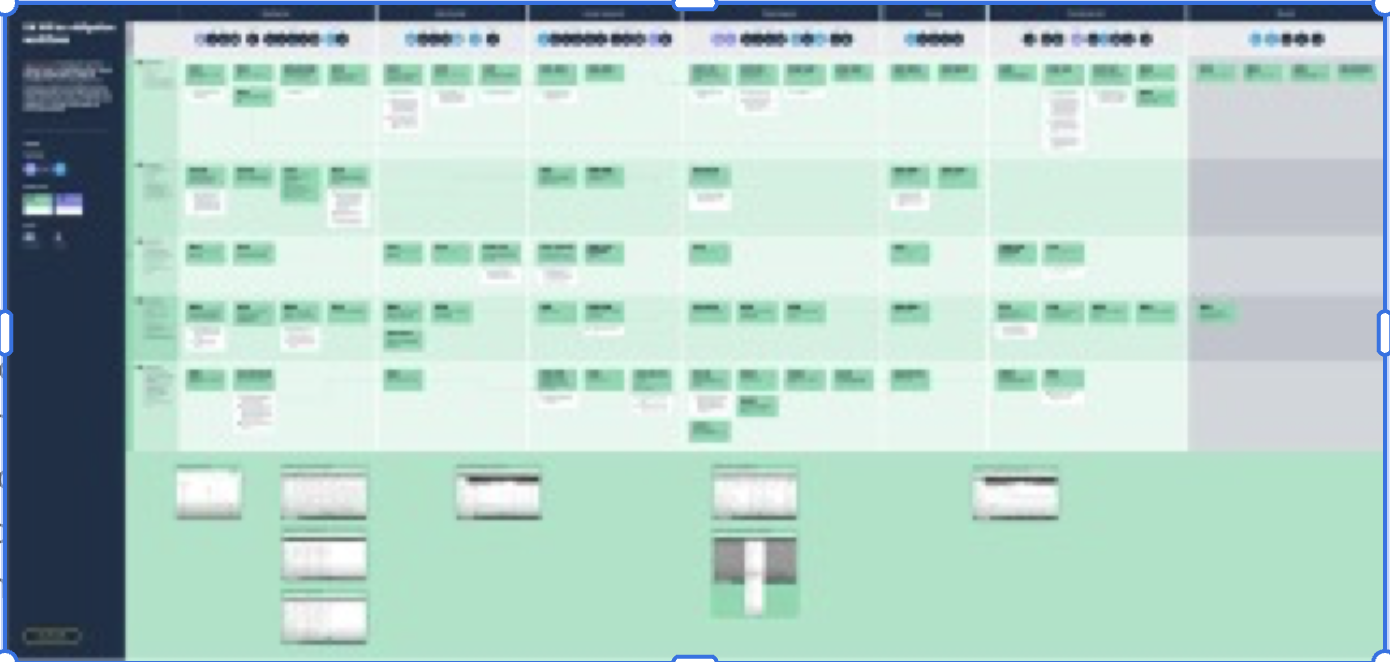
User journeys in different markets were assembled with different levels of granularity
The journyes used experience with the product as unit of analysis. But! The product was different in each region.
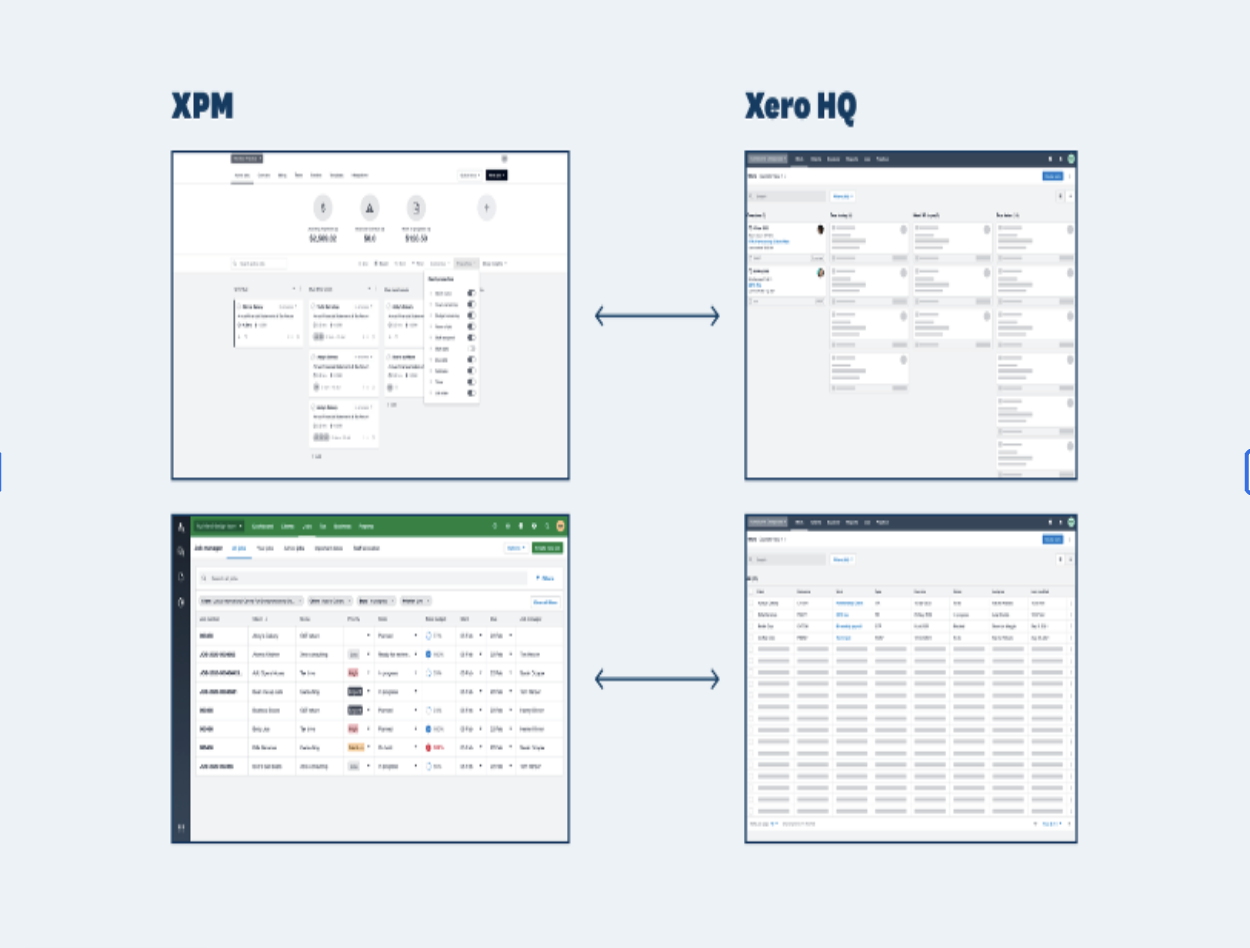
In the meantime, the team working on the dashboard wanted to start testing a proof of concept. However, as the team was putting together the designs based on the top-level findings of the user journeys, we realized that we were stepping into other areas of the product that deal with work management more broadly and not exclusively tax management.
This resulted in many conversations with many teams because the teams wanted to keep the two streams of work separate.
But, from a customer perspective, are tax obligations management and work management different? Do customers need a one-stop shop, do the view the problem in the same way? Is that the same across regions?
We did research to find out!

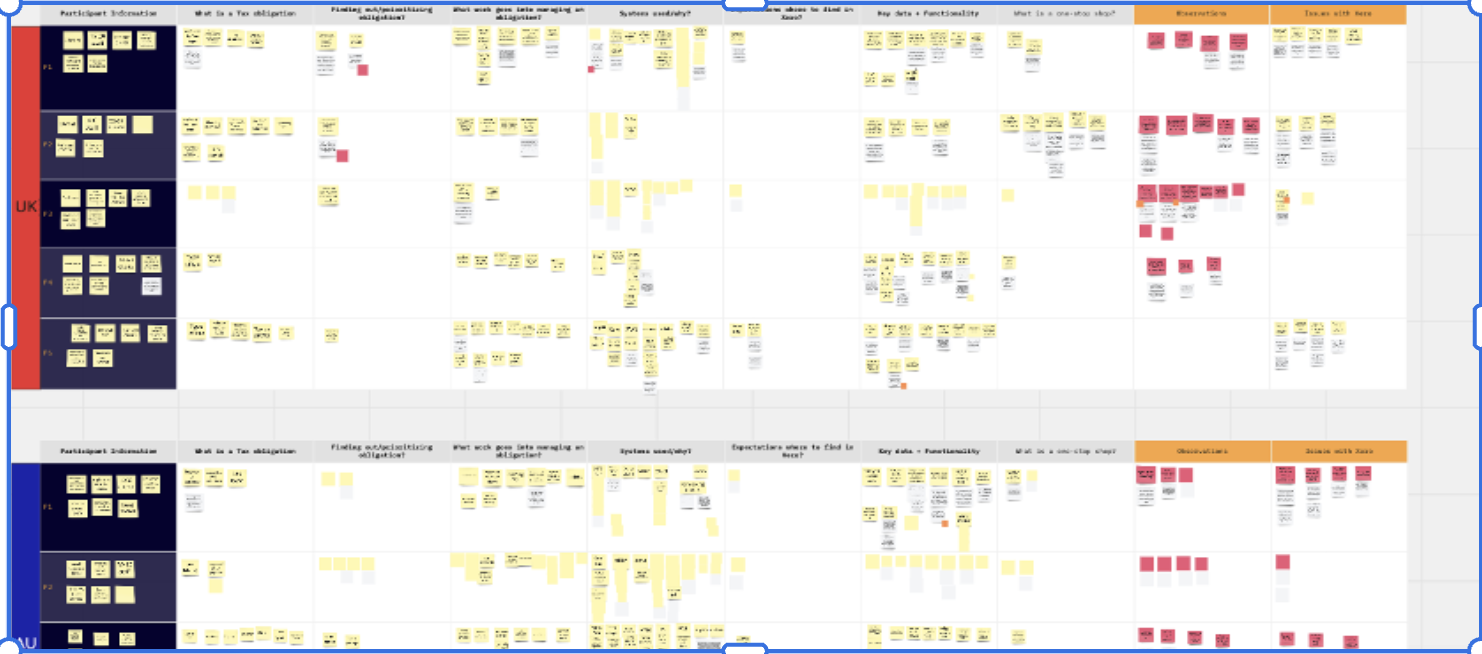
Research in two markets: UK and AU
We chose the markets based on key differences: Product offering, Levels of maturity, # and types of customers
Comparative data collection and analysis
Collaborated with local researchers to understand the nuance of tax context.
Designed conversation guides to keep them culturally relevant but relevant to the research.
Aligned recurrently with researchers to accommodate different data collection styles but keeping key questions centered.
Some of the questions we centered and that guided analysis:
How do participants understand/interpret specialized terms?
What does it mean to them to have a one-stop-shop to manage their tax obligations?
What criteria do they use to prioritize work?
What pain points did they mention?

Impact
The research started a much needed collaboration between two areas of the company to work on a shared product. It also served as a foundation for other researchers looking into designing the shared product.
Internally with my teams, it highlighted the need for us to better understand the needs of internal regional tax teams. It started a movement!